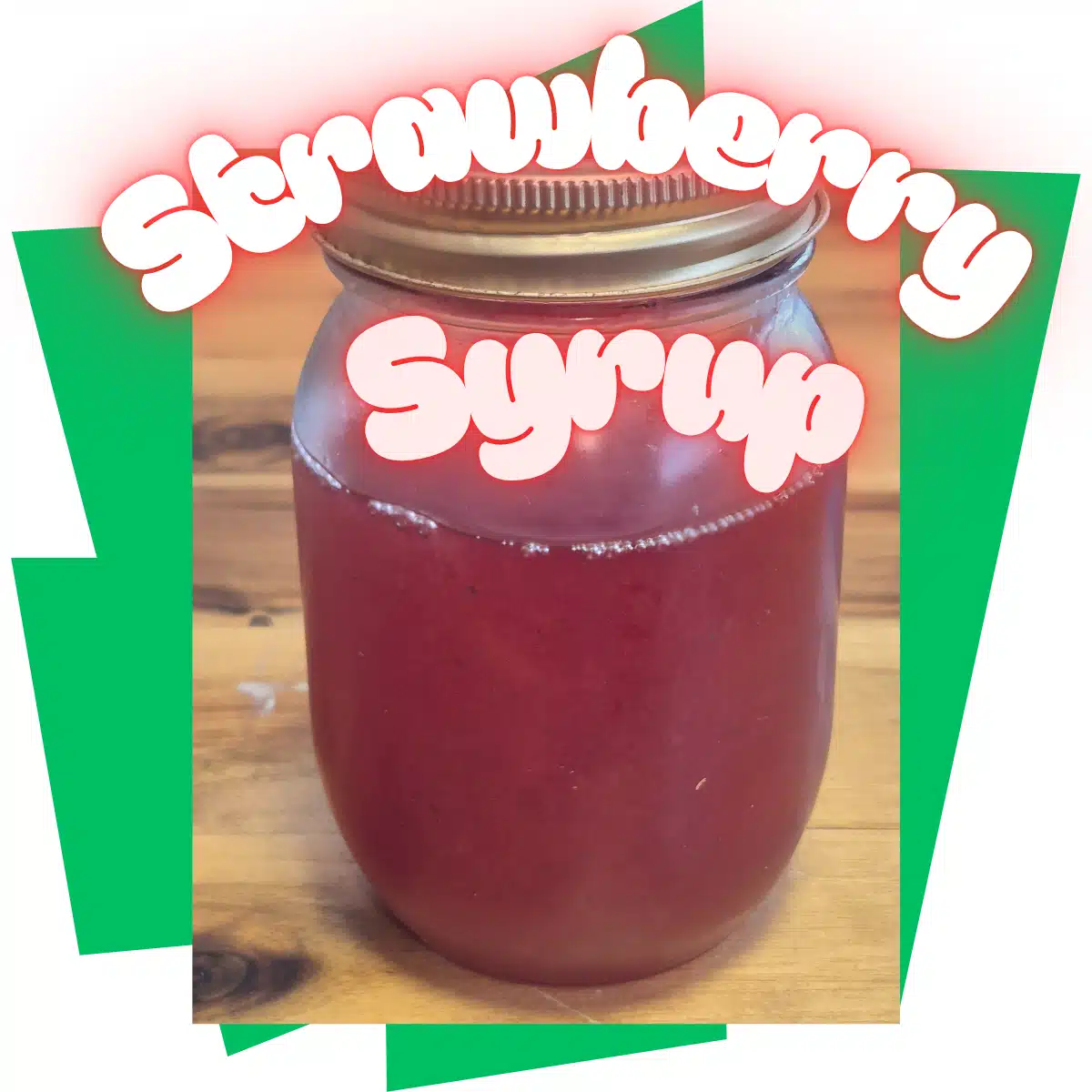
Imagine capturing the essence of summer sunshine in a jar, ready to brighten any day, regardless of the season. That’s precisely what you achieve when you make your own shelf-stable homemade strawberry syrup. Forget the artificial colors and high-fructose corn syrup found in many store-bought options; this natural alternative is bursting with genuine fruit flavor, perfect for transforming ordinary drinks, breakfasts, and desserts into extraordinary culinary experiences. Whether you dream of luscious strawberry milk on a cold winter morning or a vibrant drizzle over pancakes, preserving summer's bounty has never been easier or more rewarding.
Why Make Your Own Shelf-Stable Strawberry Syrup?
The allure of homemade strawberry syrup extends far beyond its incredible taste. It's about taking control of your ingredients, embracing seasonality, and enjoying a product free from unwanted additives. Here’s why this recipe should become a staple in your kitchen:
- Unrivaled Flavor: Store-bought syrups often rely on artificial flavorings and sweeteners. Your homemade version, however, uses real fruit, offering an authentic, bright, and nuanced strawberry taste that truly captures the sweetness and tanginess of fresh berries. It’s like a bite of summer in every spoonful.
- Pure Ingredients: One of the most compelling reasons to make your own strawberry syrup is the ability to dictate what goes into it. This recipe calls for simple, wholesome ingredients like fresh strawberries, sugar, lemon juice, and a hint of vanilla. You won't find any Red 40, artificial preservatives, or corn syrup here, offering a healthier, more natural choice for your family. For more on pure taste, check out our Natural Strawberry Syrup Recipe: Pure Taste, No Corn Syrup or Junk.
- Incredible Versatility: A jar of this vibrant syrup is a true kitchen hero. It's fantastic for stirring into milk for a nostalgic strawberry treat, drizzling over pancakes, waffles, or French toast, sweetening lemonade, enhancing sparkling water, or topping ice cream and yogurt. The possibilities are endless!
- Cost-Effective and Sustainable: When strawberries are in peak season, they're not only at their flavorful best but often most affordable. Making a large batch of shelf-stable strawberry syrup allows you to capitalize on these seasonal deals, making the most of a plentiful harvest and reducing food waste.
- The Joy of Homemade: There's a deep satisfaction that comes from creating something delicious and wholesome with your own hands. Cracking open a jar of homemade strawberry syrup in the depths of winter feels like a small victory, a delightful reminder of sunnier days.
Choosing Your Strawberries and Essential Ingredients
The foundation of an exceptional strawberry syrup lies in the quality of your ingredients. While the process itself is straightforward, selecting the best components will elevate your final product.
- Strawberries: Start with fresh, ripe, and fragrant strawberries. The riper they are, the more natural sweetness and intense flavor your syrup will have. Look for berries that are uniformly red, plump, and free from blemishes. Farmers' markets are often the best place to find peak-season berries, but a good selection from your local grocery store will also work beautifully. Don't worry about cosmetic imperfections if you're going to cook them down; focus on flavor. Aim for about 4 pounds of fresh strawberries for a good batch.
- Sugar: Granulated white sugar is the standard for this recipe, serving multiple crucial roles. Beyond sweetness, sugar acts as a preservative, helping to achieve that desirable shelf-stable quality when combined with proper canning techniques. It also contributes to the syrup's luscious texture. While you might be tempted to reduce sugar, remember it's essential for both flavor balance and preservation, particularly if you plan to can the syrup.
- Lemon Juice: This isn't just for a touch of tang! When canning, lemon juice plays a vital role in ensuring the safety and shelf-stability of your syrup by increasing its acidity. For consistent and reliable acidity levels, always opt for bottled lemon juice when canning. Fresh lemon juice can vary in pH, which is not ideal for food preservation where precise acidity is important.
- Vanilla Extract (Optional, but Recommended): A splash of vanilla extract can work wonders, adding a subtle warmth and complexity that beautifully complements the bright strawberry flavor. It rounds out the taste profile without overpowering the star ingredient.
- Water: For the traditional cook-and-strain method, water helps dissolve the sugar and create the initial liquid base for the berries to simmer in.
Two Paths to Perfection: Traditional Cook-and-Strain vs. Steam Juicer Method
There are a couple of excellent methods to extract that precious strawberry juice for your strawberry syrup, each with its own advantages. Both will yield delicious results, so choose the one that best suits your kitchen setup and preference.
General Preparation for Both Methods:
Regardless of your chosen extraction method, always begin by hulling your strawberries (removing the green tops) and giving them a quick rinse. You don't need to chop them finely at this stage, especially if you're using a steam juicer or macerating them.
Method 1: The Traditional Cook-and-Strain Approach
This method is accessible to everyone, requiring no special equipment beyond a saucepan and a fine-mesh strainer. It involves cooking the berries down and then separating the liquid.
- Maceration (Recommended for Best Yield): For a richer, more flavorful syrup and to extract more juice, consider macerating your strawberries first. Hull and halve your berries, then toss them with about ½ cup of sugar in a large bowl or jar. Let them sit for several hours at room temperature, or even better, overnight in the refrigerator. The sugar will naturally draw out a significant amount of the berries' juice, intensifying the flavor and reducing the need for much additional water.
- Cooking Process: If you've macerated the berries, pour the collected juice (and berries) into a saucepan. If you skipped maceration, combine the hulled berries with about 1 cup of water and 1 cup of sugar in a saucepan. Bring the mixture to a boil over medium-high heat, stirring until the sugar is fully dissolved. Continue to boil for about 10 minutes. Then, reduce the heat to medium-low and simmer gently until the strawberries are very soft and mushy, and the liquid has slightly thickened, usually another 10-15 minutes.
- Straining: Carefully strain the liquid through a fine-mesh sieve or several layers of cheesecloth into a clean bowl or pot. For a clearer syrup, avoid pressing the solids too forcefully. For a slightly thicker, more pulpy syrup with a stronger berry presence, you can gently press the solids to extract more juice. Discard the leftover berry pulp (or save it for baking!).
Pros: No special equipment needed, uses common kitchen items. Cons: Requires more hands-on straining, can result in a slightly cloudier syrup depending on how much you press the solids.
Method 2: The Effortless Steam Juicer Method
If you own a steam juicer, this method is a game-changer for its simplicity and the remarkably clear, pure juice it produces. A steam juicer gently extracts juice using steam, preserving the delicate flavors and vibrant color of the berries.
- Loading the Juicer: Place your hulled, whole strawberries into the perforated basket of your steam juicer. You can sprinkle about ½ cup of sugar over the berries to help coax out the juice during the steaming process.
- Juicing Process: Assemble your steam juicer according to the manufacturer's instructions, ensuring the bottom pot has enough water. Place it on the stove over medium-high heat. As the water boils, steam rises through the berries, causing them to release their juice, which collects in the middle juice collection pot. This usually takes about 30-60 minutes, yielding around 5-6 cups of beautiful strawberry syrup base.
- Collecting the Juice: Once the berries have released most of their juice, carefully drain the pure strawberry syrup base from the spigot of the juicer into a large pot.
Pros: "No mess, no fuss" straining, produces a very clear, vibrant syrup, excellent flavor preservation, and requires minimal attention during juice extraction. Cons: Requires a dedicated steam juicer.
Finishing the Syrup (Both Methods):
Once you have your pure strawberry juice (whether from straining or steam juicing), the final steps are the same:
- Combine and Simmer: Pour the collected strawberry juice into a large, heavy-bottomed pot. Add 2 cups of granulated sugar and 2 teaspoons of bottled lemon juice. Bring the mixture to a gentle boil, stirring occasionally until all the sugar is fully dissolved.
- Thicken: Reduce the heat to a simmer and continue to cook for about 20 minutes, stirring occasionally. The syrup will slightly thicken. Remember, it's meant to be pourable, not jammy. It will thicken further as it cools.
- Add Vanilla: Remove the pot from the heat and stir in 1 teaspoon of vanilla extract (if using).
Making It Shelf-Stable: Canning Your Strawberry Syrup
To truly "preserve summer" and enjoy your strawberry syrup for months to come, processing it in a boiling water bath canner is the key. This simple canning method creates a vacuum seal, making your syrup shelf-stable for at least 18 months in a cool, dark place.
- Prepare Your Jars: While your syrup is simmering, prepare your canning jars. Wash pint or half-pint canning jars, lids, and bands in hot, soapy water. Rinse well. Keep the jars warm in a pot of simmering water (or in your canner) to prevent them from cracking when filled with hot syrup. The lids should also be kept warm in a separate small saucepan of simmering water.
- Fill Jars: Using a canning funnel and a ladle, carefully fill the warm, clean jars with the hot strawberry syrup, leaving ½-inch headspace (the space between the top of the syrup and the rim of the jar).
- Clean Rims and Apply Lids: Wipe the rims of the jars thoroughly with a clean, damp cloth to remove any syrup residue. This is crucial for a good seal. Place a warm lid centered on each jar, then screw on the bands fingertip-tight (just until you feel resistance, don't overtighten).
- Process in Water Bath: Carefully place the filled jars onto the rack in your boiling water bath canner. Ensure the jars are completely covered by at least 1-2 inches of water. Bring the water to a rolling boil. Once boiling vigorously, process pints and half-pints for 10 minutes. Adjust processing time if you live at a higher altitude (consult a reliable canning guide for specific adjustments).
- Cool and Check Seals: After processing, turn off the heat and carefully remove the canner lid. Let the jars sit in the canner for 5 minutes before carefully lifting them out with a jar lifter and placing them on a wire rack or towel on your countertop. Let them cool undisturbed for 12-24 hours. As they cool, you'll hear the satisfying "ping" of the lids sealing. After cooling, check the seals by pressing on the center of each lid; if it doesn't flex, the jar is sealed. If a jar hasn't sealed, refrigerate it and use it within a few weeks.
- Store: Once sealed, remove the bands (they can cause rust and trap moisture if left on), wipe the jars clean, label them with the contents and date, and store them in a cool, dark place.
Creative Ways to Enjoy Your Homemade Strawberry Syrup
Now that you have jars of beautiful, homemade strawberry syrup, it's time to put it to good use! Its vibrant flavor and natural sweetness make it incredibly versatile.
- Morning Delights: Drizzle generously over pancakes, waffles, French toast, or crepes. Stir it into oatmeal, yogurt parfaits, or even plain Greek yogurt for a burst of fruit flavor.
- Refreshing Beverages: Create classic strawberry milk by stirring it into cold milk. Mix it with sparkling water or club soda for a homemade strawberry soda. Elevate your lemonade, iced tea, or even a glass of plain water with a splash of syrup. For adults, it makes fantastic strawberry daiquiris, margaritas, or bellinis.
- Decadent Desserts: Pour it over vanilla ice cream, cheesecakes, panna cotta, or fruit tarts. It can also be used as a flavorful soaking syrup for sponge cakes or a base for homemade sorbets and popsicles.
- Savory Surprises: Don't limit yourself to sweet applications! A touch of strawberry syrup can add a unique sweet-tart note to salad dressings, glazes for roasted chicken or pork, or even a barbecue sauce base.
Making your own shelf-stable strawberry syrup is a truly rewarding endeavor. It's a simple process that yields incredible flavor, allows you to control the ingredients, and extends the joy of summer into every season. Whether you choose the traditional cook-and-strain method or opt for the efficiency of a steam juicer, the result is a vibrant, natural, and endlessly versatile syrup that will quickly become a pantry favorite. So, embrace the bounty of berry season, get canning, and enjoy the pure taste of strawberries anytime you wish.
