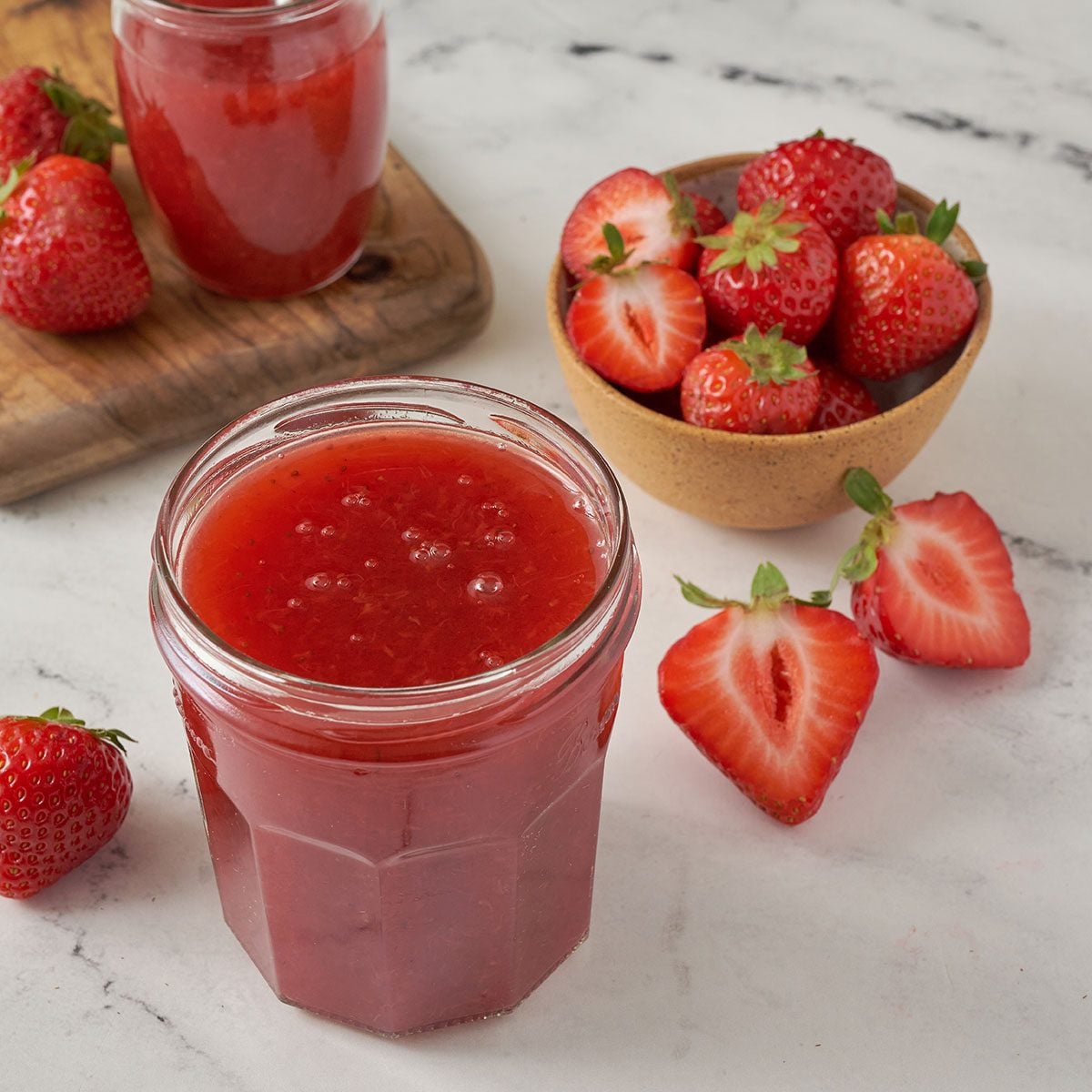
Natural Strawberry Syrup Recipe: Pure Taste, No Corn Syrup or Junk
Tired of store-bought strawberry syrups packed with high-fructose corn syrup, artificial colors, and questionable additives? Imagine capturing the vibrant essence of fresh strawberries in a bottle – a pure, delicious syrup made with simple, wholesome ingredients. This isn't just a dream; it's an achievable reality that will revolutionize your drinks, desserts, and breakfast tables. Our natural strawberry syrup recipe offers that authentic fruit flavor you crave, free from all the junk, delivering a taste that's simply irresistible.
Why Homemade Strawberry Syrup? Ditching the Junk for Pure Flavor
The allure of fresh strawberries is undeniable. Their sweet, slightly tart taste and beautiful crimson hue are synonymous with summer' joy. Yet, commercially produced strawberry syrups often fall short, relying on artificial shortcuts that mimic flavor without delivering the genuine article. They're typically laden with corn syrup, artificial colorings like Red 40, and preservatives, which can detract from both taste and health.
Making your own strawberry syrup at home allows you to take full control of the ingredients, ensuring a product that's pure, natural, and bursting with real fruit flavor. It's a fantastic way to enjoy the taste of summer year-round, adding a delightful touch to everything from refreshing
strawberry milk to gourmet cocktails and decadent dessert toppings. The satisfaction of crafting something so delicious and wholesome from scratch is immense, and your taste buds will thank you for it.
The Simple Stovetop Method: Quick & Easy Natural Sweetness
For those new to syrup making or simply seeking a fast, straightforward approach, the stovetop method is your go-to. It yields a wonderfully flavorful syrup perfect for immediate enjoyment.
Ingredients You'll Need:
- Fresh Strawberries: 1 pound (about 3-4 cups), hulled and roughly chopped. Choose ripe, fragrant berries for the best flavor.
- Granulated Sugar: 1 cup (adjust to taste; you can start with ¾ cup and add more if desired).
- Water: 1 cup.
- Optional: A squeeze of fresh lemon juice (about 1 teaspoon) to brighten the flavor.
Step-by-Step Guide:
- Prepare Your Base: In a medium saucepan, combine the water and sugar. Place over medium-high heat, stirring continuously until the sugar is completely dissolved and the mixture is clear. This creates a simple syrup base.
- Add Strawberries & Boil: Stir in the hulled and chopped strawberries. Bring the mixture to a rolling boil, then reduce the heat slightly to maintain a gentle but active boil. Allow it to boil for about 10 minutes. During this time, the strawberries will soften and begin to release their juices and color.
- Simmer & Thicken: Reduce the heat further to medium-low. Let the mixture simmer, stirring occasionally, until the strawberries are very mushy and the sauce has noticeably thickened. This usually takes another 10 to 15 minutes. The goal is a pourable, slightly viscous consistency, not a jam. If using, stir in the lemon juice during the last minute of simmering.
- Strain for Smoothness: Carefully remove the saucepan from the heat. Place a fine-mesh sieve over a clean bowl or measuring cup. Pour the strawberry mixture through the sieve, allowing the liquid to drain naturally. For a clear syrup, avoid pressing the solids. For a slightly thicker, fruitier syrup with some pulp, gently press the solids with the back of a spoon.
- Cool & Store: Allow the strained syrup to cool completely to room temperature. Once cool, transfer the syrup to a clean, airtight bottle or jar. Store it in the refrigerator. It will keep well for 1-2 weeks.
Expert Tips for the Perfect Stovetop Syrup:
- Strawberry Quality: The better your strawberries, the better your syrup. Seek out local, in-season berries if possible.
- Don't Overcook: While you want it to thicken, overcooking can lead to a jam-like consistency. Aim for pourable.
- Adjust Sweetness: Taste your syrup after it has cooled. If it's not sweet enough, you can gently reheat it with a little more sugar until dissolved.
- Pulp vs. Clear: Decide if you prefer a perfectly clear syrup (strain without pressing) or one with a little more body and fruit particles (gently press the solids).
- Flavor Enhancements: A tiny pinch of salt can enhance sweetness, or try a splash of vanilla extract after straining and cooling for added depth.
Elevating Your Syrup: For Canning & Deeper Flavor (Steam Juicer/Maceration)
For those looking to preserve summer's bounty and enjoy shelf-stable strawberry syrup for months, or simply desiring a deeper, purer strawberry essence, methods like using a steam juicer or maceration are ideal. These approaches excel at extracting clean, vibrant juice.
The Steam Juicer Advantage:
A steam juicer is a fantastic kitchen tool for making large batches of fruit juice or syrup with minimal effort and no messy straining.
- Prepare Berries: Hull and rinse 4 pounds of fresh, ripe strawberries. You don't need to chop them; just toss them whole into the juicer's top basket.
- Add Sugar: Sprinkle about ½ cup of sugar over the berries in the basket. This helps coax the juices out during steaming.
- Steam Away: Assemble your steam juicer according to its instructions. As the water boils in the bottom pot, steam rises, extracting pure juice from the berries into the collection pot below. This usually takes around 30-60 minutes, yielding 5-6 cups of beautiful, clear strawberry juice.
Maceration: The Patient Path to Pure Juice:
If you don't have a steam juicer, maceration is an excellent alternative that still yields a superior juice for canning.
- Hull & Halve: Hull and halve 4 pounds of fresh strawberries.
- Macerate: Place the halved berries in a large bowl or jar and toss them with ½ cup of sugar.
- Wait: Let the strawberries sit for several hours at room temperature, or ideally, refrigerate them overnight. The sugar will draw out their natural juices through osmosis, creating a significant amount of liquid.
- Strain: Strain the macerated berries through a fine-mesh sieve lined with cheesecloth. Press gently on the solids to extract as much juice as possible without forcing pulp through. Collect the pure strawberry juice.
Cooking & Finishing Your Enhanced Syrup:
Once you have your pure strawberry juice (from either steam juicing or maceration), proceed with these steps:
- Combine & Boil: Pour the collected strawberry juice into a large, heavy-bottomed pot. Add 2 cups of granulated sugar and 2 teaspoons of bottled lemon juice (this brightens flavor and aids in preservation for canning). Bring the mixture to a gentle boil over medium-high heat.
- Simmer & Thicken: Reduce the heat to a simmer and stir occasionally until the sugar is fully dissolved and the syrup begins to thicken slightly. This process usually takes about 20-30 minutes. Remember, you want it pourable, not jammy. A good test is to dip a cold spoon into the syrup; it should coat the back of the spoon.
- Add Vanilla (Optional): Remove the pot from the heat. If desired, stir in 1 teaspoon of pure vanilla extract for an added layer of flavor.
Canning for Shelf-Stable Summer Goodness:
To make your strawberry syrup
shelf-stable, boiling water bath canning is essential.
- Prepare Jars: While the syrup is simmering, prepare your canning jars. Wash pint or half-pint jars and lids in hot soapy water, then sterilize the jars by simmering them in hot water or running them through a dishwasher's sanitizing cycle. Keep them warm until ready to fill.
- Fill Jars: Carefully ladle the hot syrup into the warm, sterilized jars, leaving ½-inch headspace from the rim.
- Clean & Seal: Wipe the rims of the jars clean with a damp cloth (any syrup on the rim can prevent a proper seal). Place the lids on top, and screw the bands on fingertip-tight.
- Process: Place the filled jars into a boiling water bath canner, ensuring they are fully submerged by at least an inch of water. Bring the water to a rolling boil and process the jars for 10 minutes (adjust for altitude if needed).
- Cool & Check: Carefully remove the jars from the canner and place them on a clean towel on your countertop, undisturbed, for 12-24 hours. You should hear the "ping" of the lids sealing. After 24 hours, check that the seals are firm and don't flex when pressed. Any unsealed jars must be refrigerated and used within a few weeks.
- Store: Wipe sealed jars clean and store them in a cool, dark pantry. Properly canned strawberry syrup can last for 18 months or more, though its deliciousness usually means it won't last that long!
Beyond Beverages: Creative Uses for Your Natural Strawberry Syrup
Once you've made your own natural strawberry syrup, you'll find countless ways to enjoy its pure, unadulterated flavor:
- Strawberry Milk: The classic! Stir 1-2 tablespoons into a glass of cold milk for a nostalgic treat.
- Breakfast Bliss: Drizzle generously over pancakes, waffles, French toast, oatmeal, or even yogurt parfaits.
- Dessert Topping: Elevate ice cream, cheesecake, panna cotta, or fresh fruit salads with a sweet, fruity finish.
- Refreshing Drinks: Mix with sparkling water or club soda for a homemade strawberry soda, stir into lemonade for a vibrant twist, or use as a base for adult cocktails like strawberry margaritas or daiquiris.
- Baking & Glazes: Incorporate it into glazes for cakes, muffins, or even a simple frosting for cupcakes.
- Yogurt & Smoothies: Swirl into plain Greek yogurt or blend into your morning smoothie for a natural fruit boost.
Conclusion
Creating your own natural strawberry syrup is a rewarding experience that offers unparalleled flavor and peace of mind. By skipping the artificial additives and corn syrup found in commercial varieties, you're embracing the pure taste of summer's finest fruit. Whether you opt for the quick stovetop method for immediate gratification or the more advanced canning techniques for long-term storage, you'll be delighted by the versatility and deliciousness of this homemade staple. So grab some fresh strawberries, get cooking, and prepare to elevate your culinary creations with the vibrant, authentic essence of natural strawberry syrup.